About Charlie’s Better Bees
Helping Bees
Thrive Naturally
Charlie’s Better Bees is about Natural Beekeeping. Letting the bees be, with minimal intrusion and interference from the beekeeper. It’s about healthy bees and clean honey.
Our Story
From Curiosity to Care
What began as a fascination with bees grew into a mission to make bee health easier to understand. Charlie’s Better Bees is about advocating a natural approach to beekeeping, to help bees and our planet. About not accepting the norm and partnering with bees a better way.
The goal is simple: help more people create better conditions for bees and understand how healthy colonies lead to more nutritious honey.
What We Share
Education Rooted in the Field
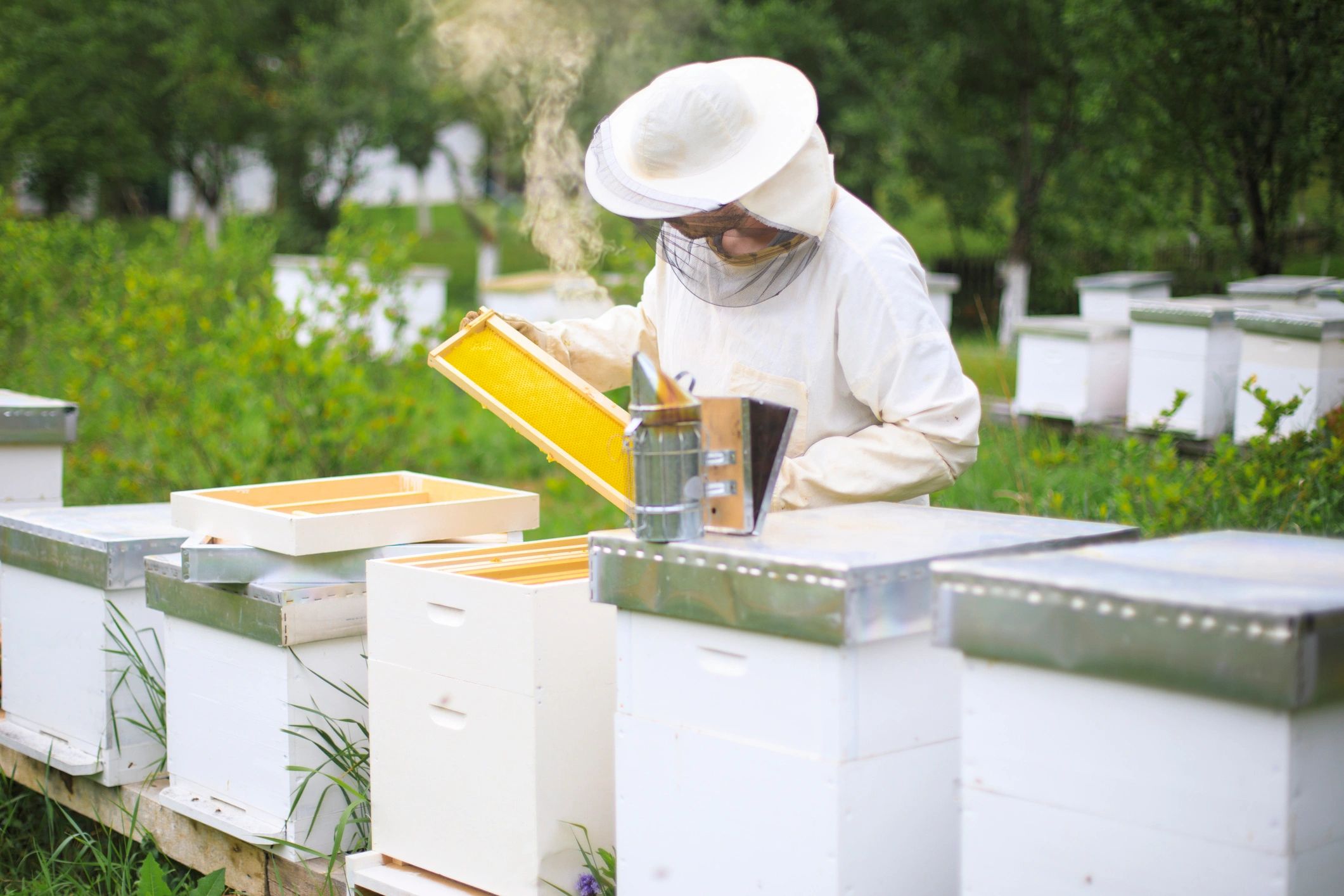
Every article and guide is built to help visitors take practical steps that support bee resilience and improve the quality of the honey they enjoy. By sharing what I have learned or lending links to smarter more experienced beekeepers, my hope to champion practical natural and achievable beekeeping.
Local bees are top priority
Hive choices and why
Honey quality insights
Simple tools are in reach
Mission
Why This Work Matters
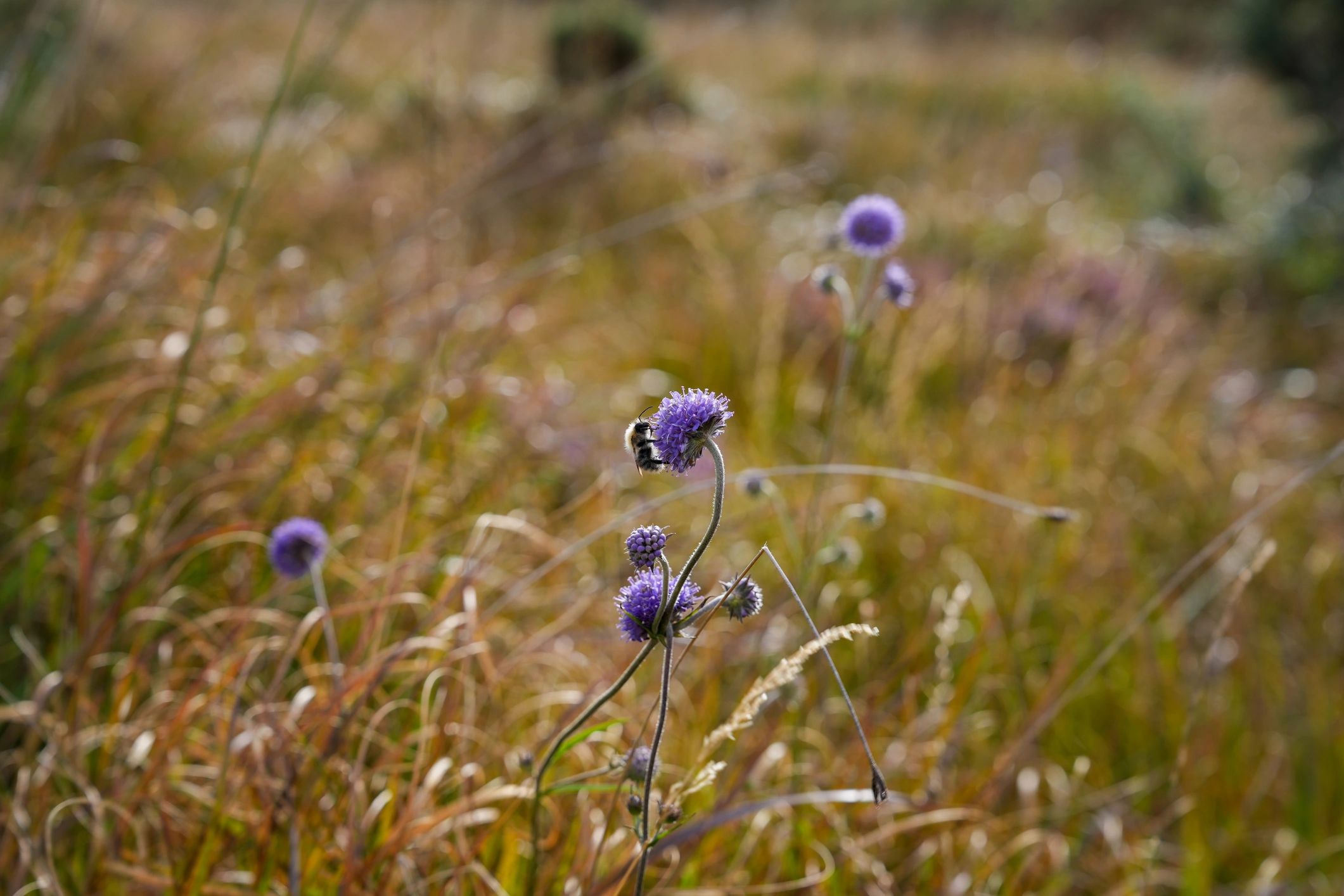
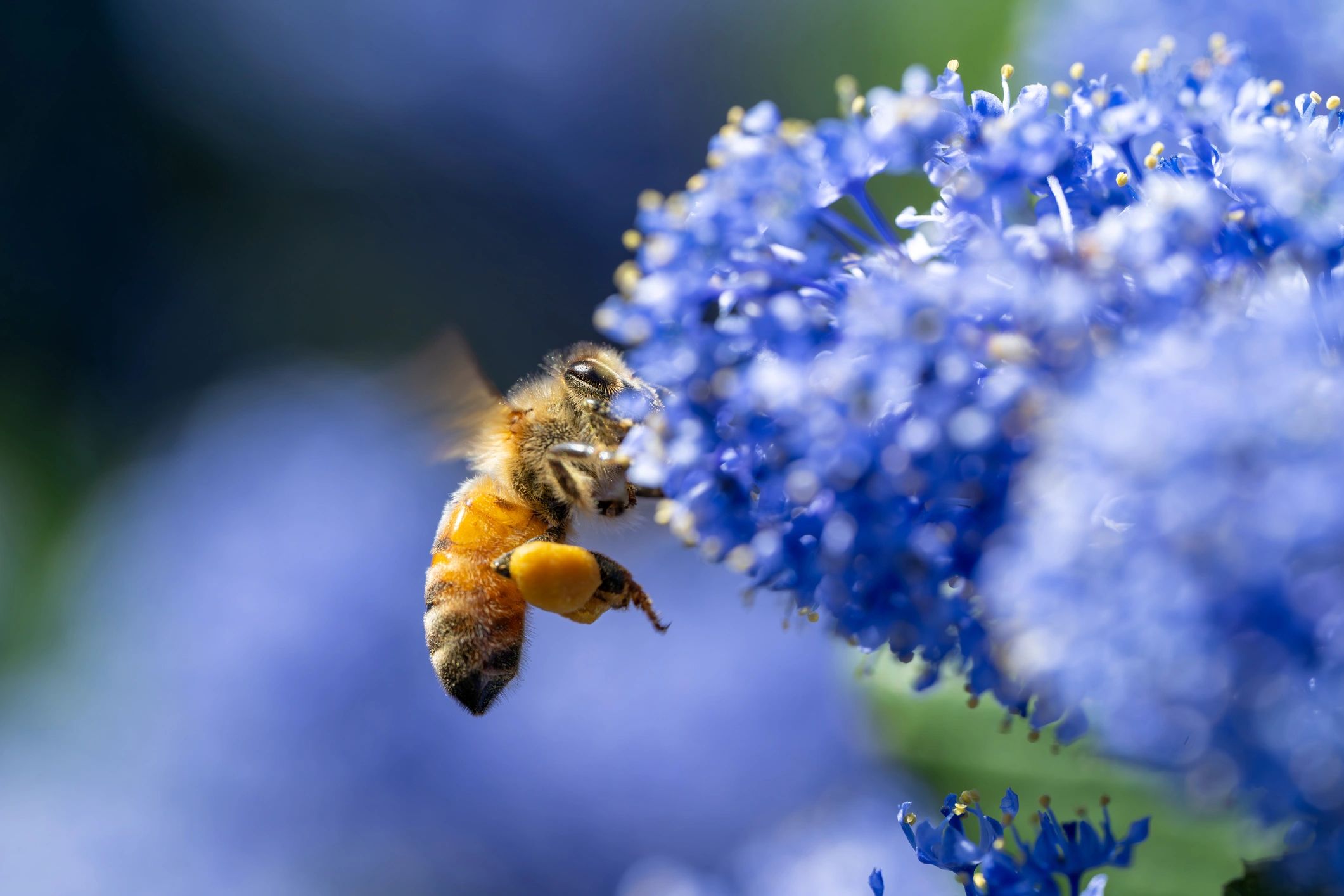
Bees do far more than make honey. They support gardens, farms, wild plants, and the broader health of local ecosystems.
When habitat is reduced or forage becomes less diverse, bees face more pressure. Charlie’s Better Bees exists to encourage small, meaningful actions that add up: planting with pollinators in mind, learning what stronger colonies need, and choosing honey with a deeper appreciation for where it comes from.
Better bees mean better outcomes for plants, people, and the honey we share.
Charlie’s Better Bees
By combining education, observation, and a love of the natural world, the site aims to help more people become confident stewards of bees.
★★★★★
“We cannot improve beekeeping by going farther and farther away from bees’ natural tendencies. Instead, pick the hive model that is best matched to your locale, populate it with local bees, and the results will speak for themselves.”
George de Layens
Botanist and Beekeeper
Keeping Bees in Horizontal Hives
Keep Learning With Us
Explore more guides on bee habitat, stronger colonies, and cleaner honey, or get in touch to share your questions and ideas.
Educational, nature-focused content for readers who want to help pollinators thrive.